Dogs5 min read
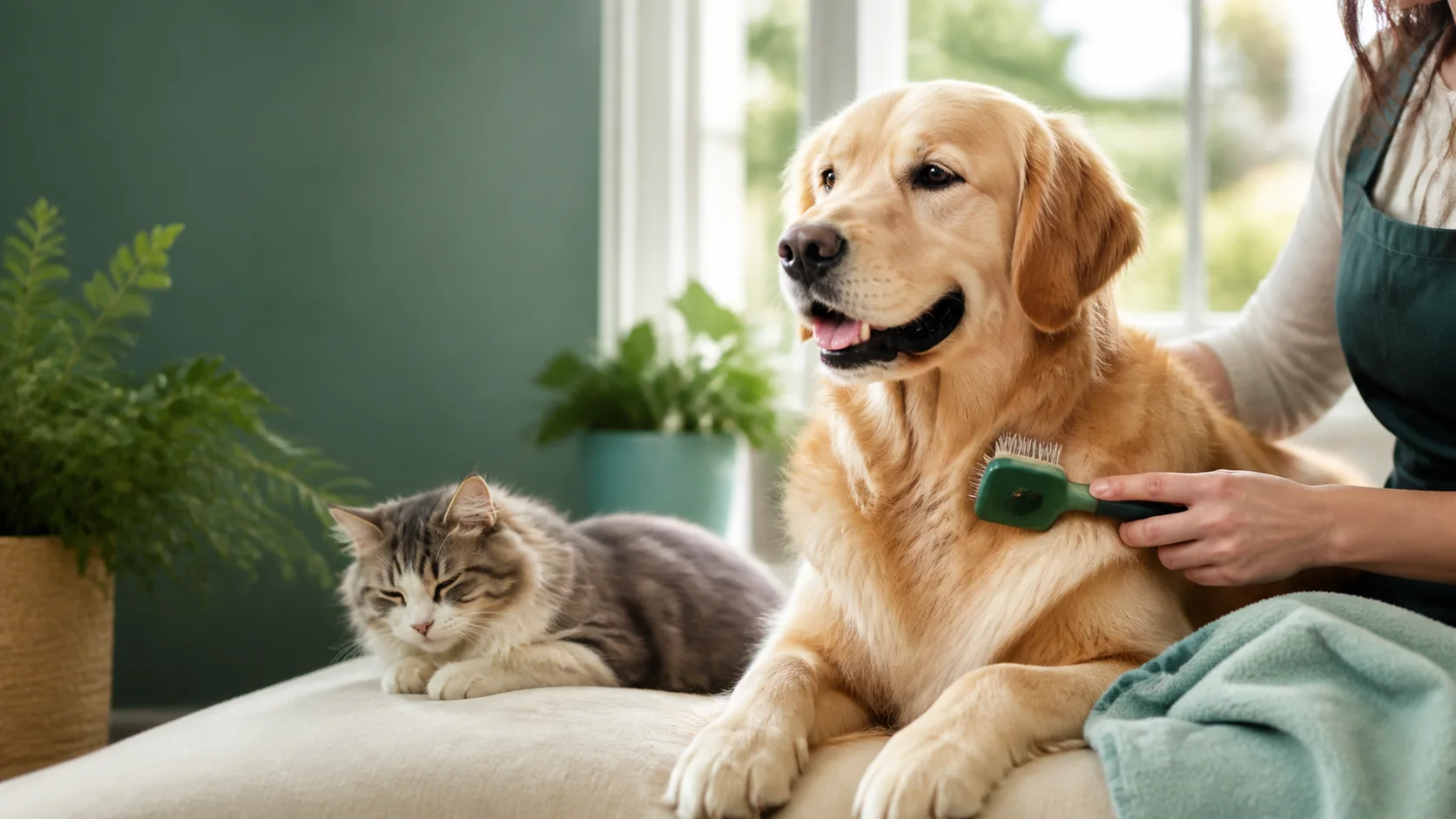
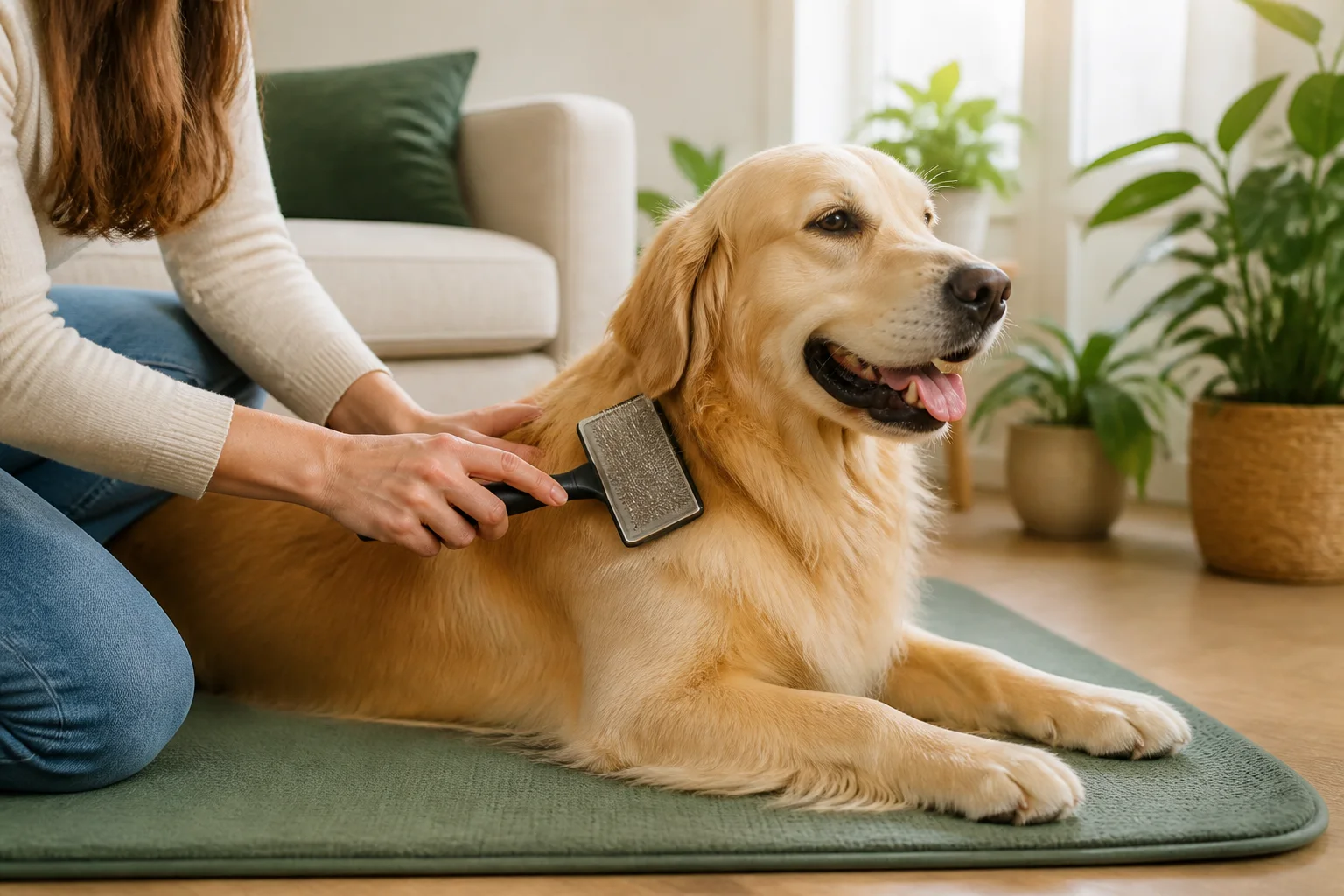
How to brush your dog between grooms
A gentle, coat-friendly routine that helps prevent tangles without irritating the skin.
Read guide → Eco Paw Spa
Choose your portal
Welcome to Eco Paw Spa
Eco Paw care library
Practical, gentle guidance for maintaining coats, checking paws and making grooming easier for dogs, cats and their people.
Step-by-step help
A gentle, coat-friendly routine that helps prevent tangles without irritating the skin.
Read guide →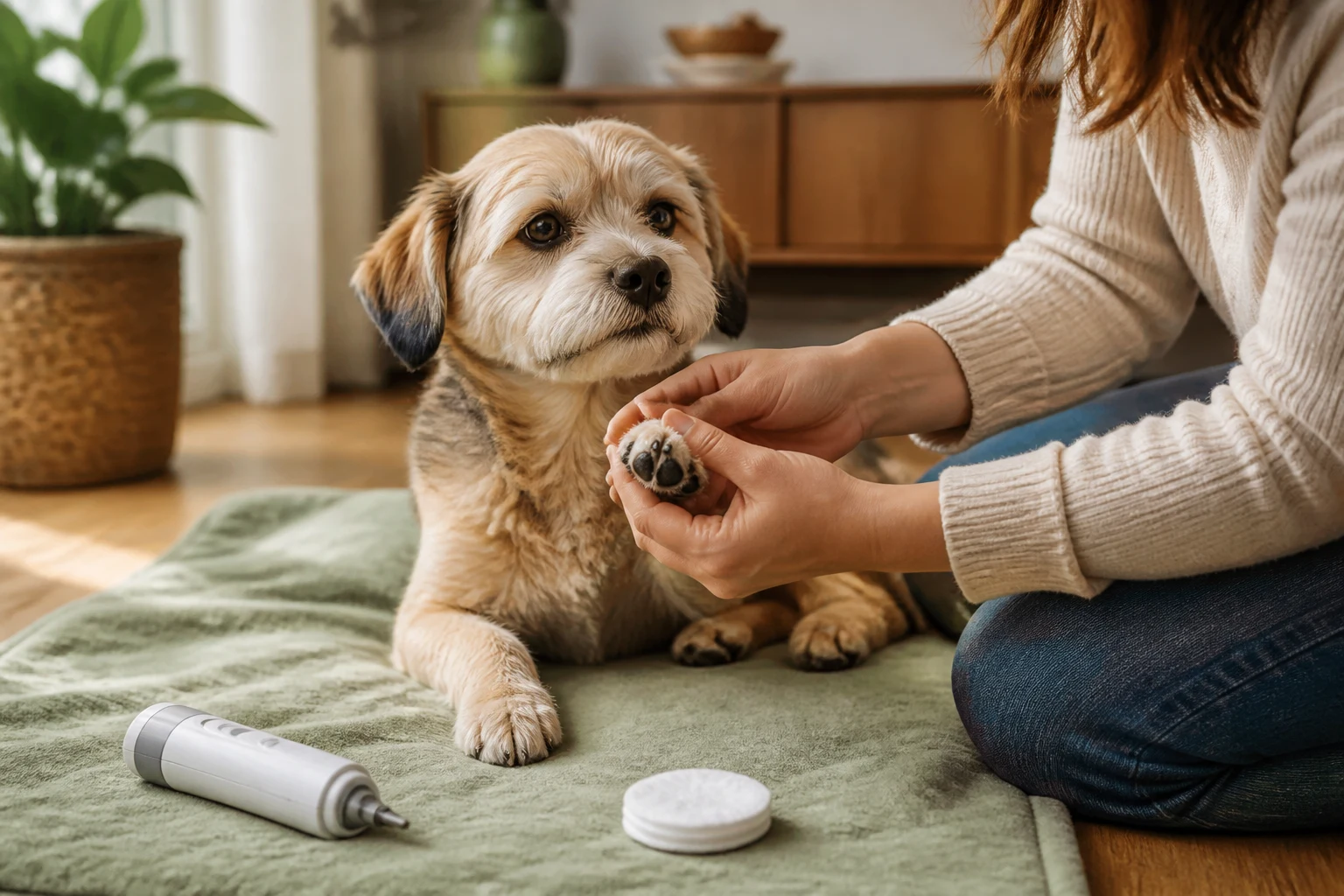
Keep skin comfortable and the coat fresh with correct water temperature, rinsing and drying.
Read guide →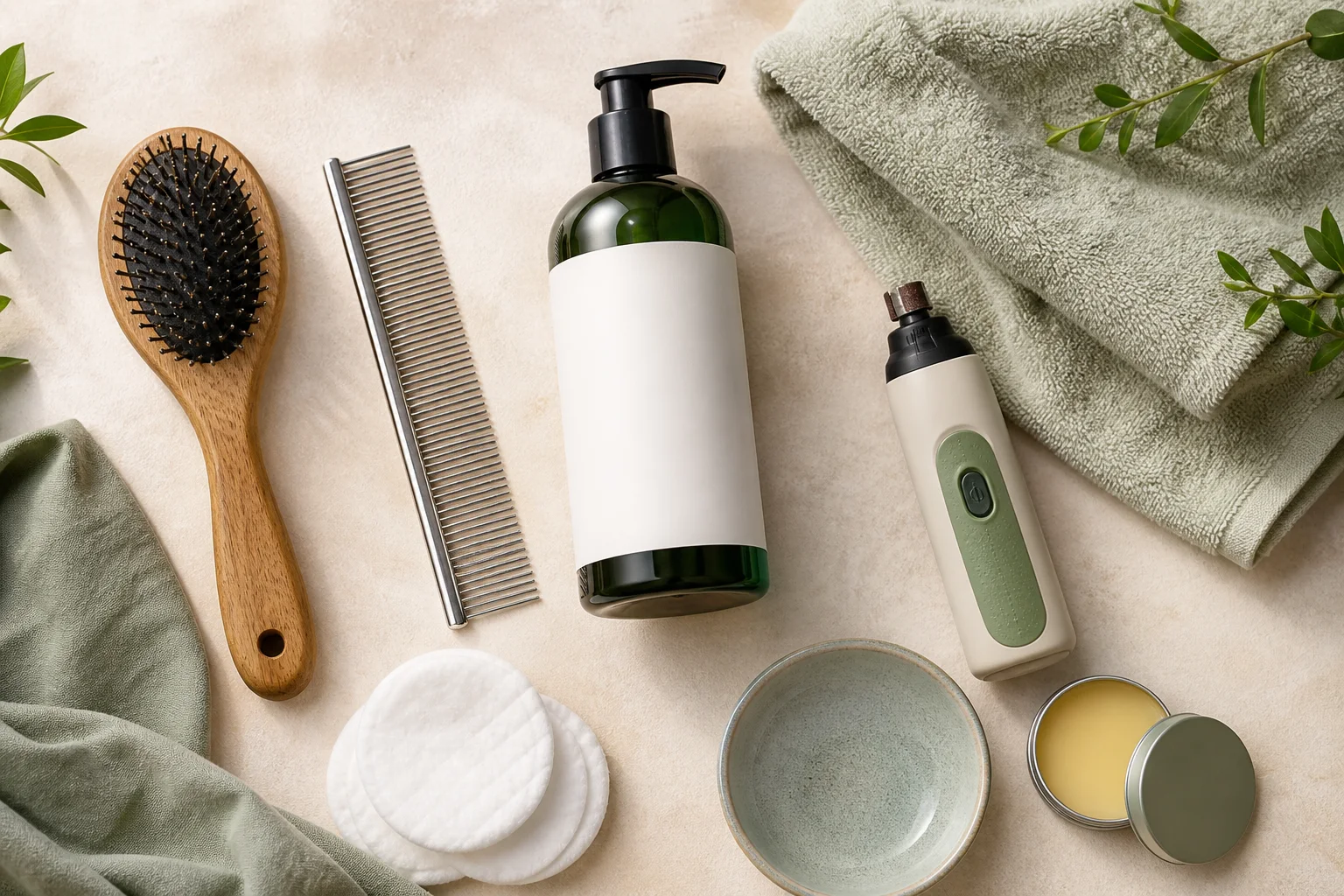
A simple weekly check that helps catch discomfort before it becomes a bigger problem.
Read guide →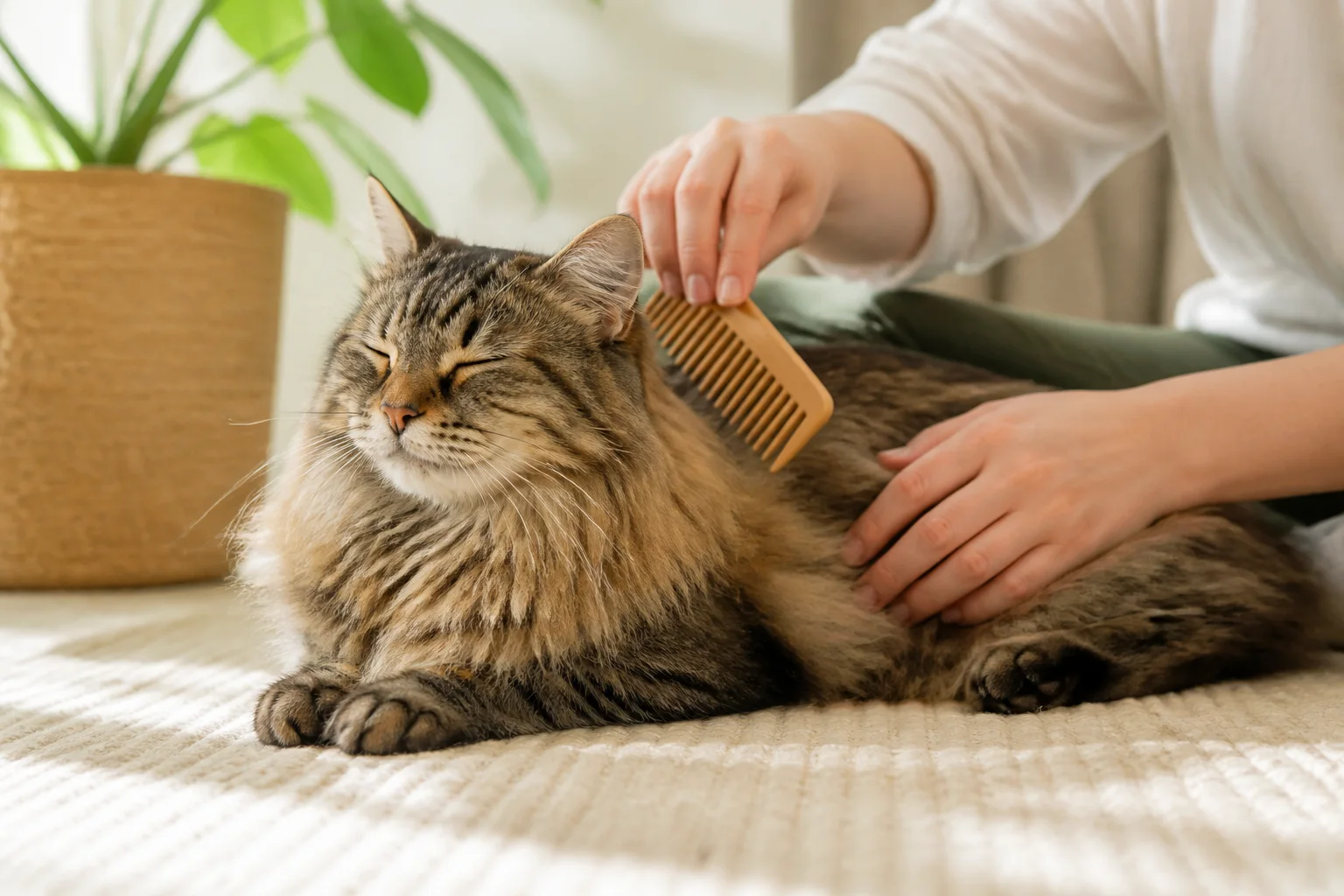
Build a calm routine for brushing, mat prevention and recognizing when your cat needs help.
Read guide →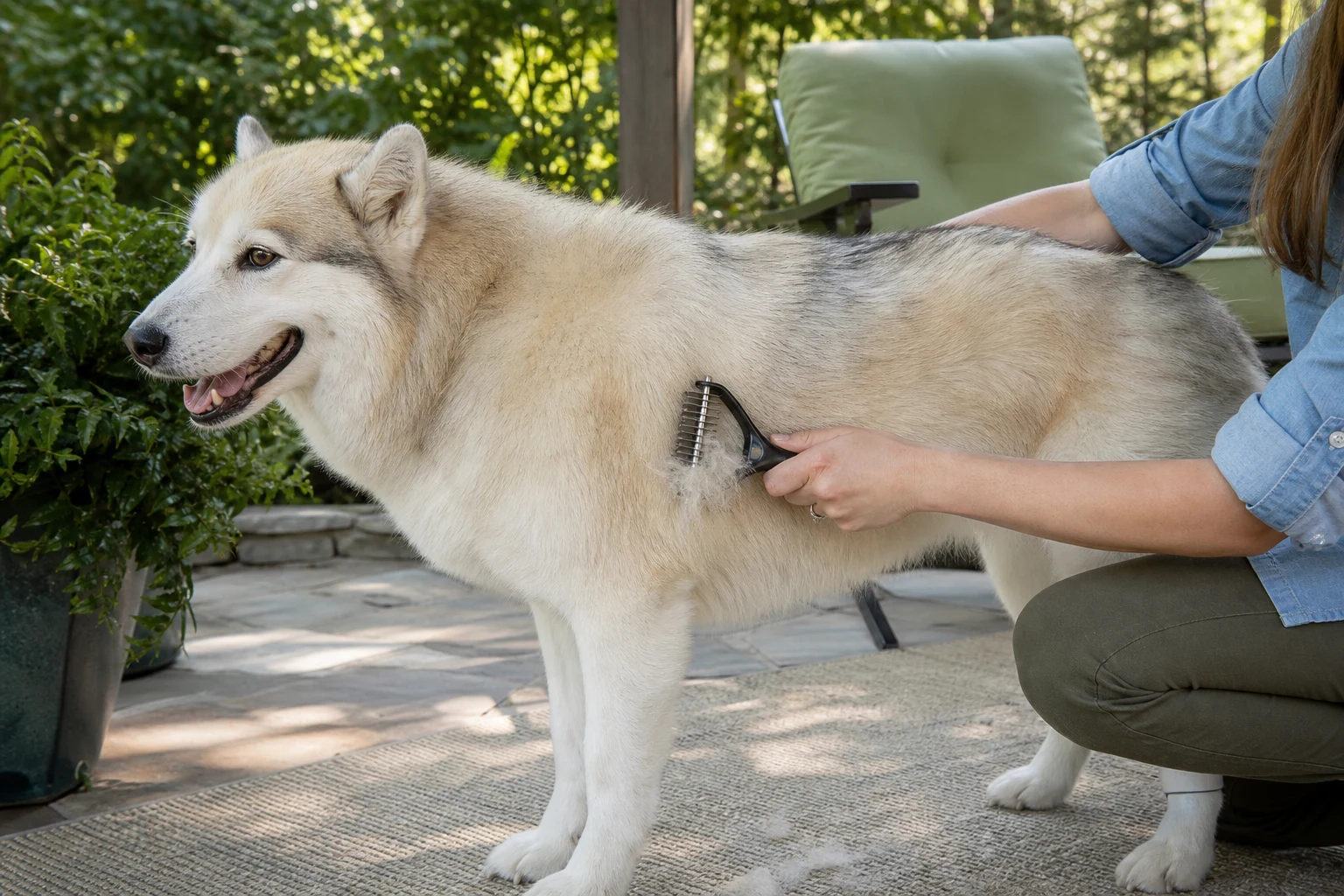
A practical routine for loose undercoat, seasonal shedding and healthier skin.
Read guide →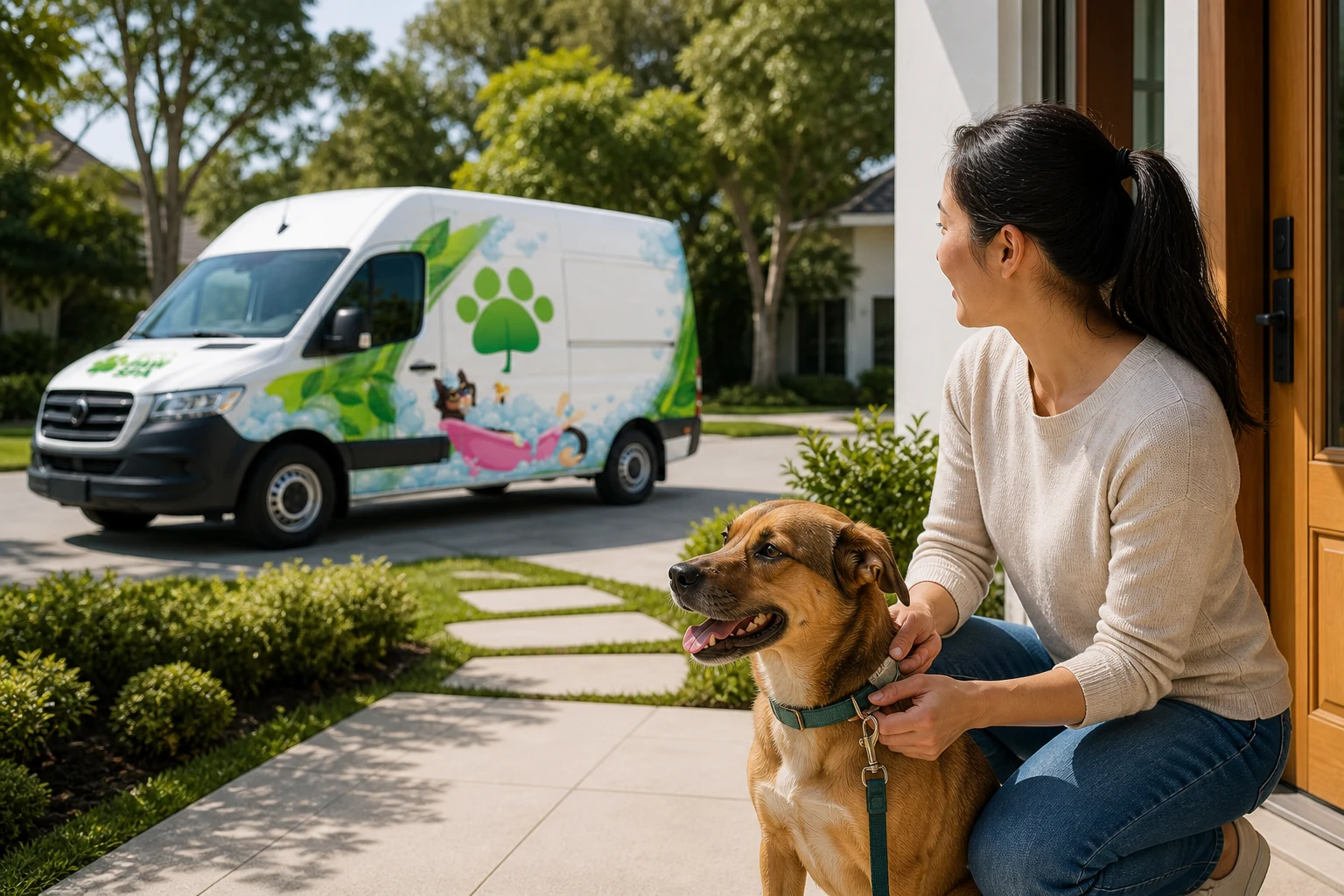
A simple checklist for access, pet comfort and sharing the details your groomer needs.
Read guide →Quick answers
Straightforward answers to the questions pet parents ask most. When something looks painful, infected or suddenly different, your veterinarian is the right first call.
Ask another question →Many dogs benefit from appointments every four to eight weeks, but coat type, haircut, lifestyle, skin health and home brushing can change that schedule. We can recommend an interval after seeing the coat in person.
For many healthy dogs, an occasional bath between grooms is fine when you use pet-formulated shampoo, rinse thoroughly and dry the coat completely. Dogs with allergies or skin conditions should follow a veterinarian’s bathing plan.
No. Mats can pull skin up inside them, making a scissor injury surprisingly easy. Keep scissors and home cutting tools away from tight mats and ask a professional groomer to assess the safest removal method.
Some cats maintain their coats well, while long-haired, senior, overweight or mobility-limited cats may need help. Persistent mats, poor self-grooming or sudden coat changes deserve professional—and sometimes veterinary—attention.
Clicking can be a sign that nails are getting long, although ideal length varies by paw shape and posture. Nails that alter the way a pet stands or walks should be addressed promptly by a groomer or veterinarian.
Limit home care to the visible outer ear and use only a veterinarian-approved product. Do not insert cotton swabs into the canal. Odor, discharge, swelling, pain or repeated head shaking calls for veterinary advice.
Share medications, allergies, recent surgery, seizures, mobility limits, sensitive areas, bite history, anxiety triggers and any new lump or skin change. Honest details help us choose the safest approach.
Mobile grooming removes the car ride, busy lobby, cages and nearby barking pets. The one-on-one setting can be calmer, though every animal is different and some may still need a veterinarian-supported care plan.
Usually no. A healthy double coat helps protect skin and regulate temperature. Shaving can change regrowth and expose skin. Severe matting or medical needs should be evaluated individually with a groomer and veterinarian.
Contact a veterinarian for pain, bleeding, open sores, swelling, strong odor, discharge, sudden hair loss, persistent itching, limping, balance changes or a sudden inability to self-groom.
Comfort starts with a plan
Book a private mobile visit and share coat, health and behavior notes with your groomer.
Request an appointment →